

 By
Mohsin Beg
For decades, cutting leather and other materials for footwear has meant one thing: a steel die for every pattern piece, pressed through the material on a clicking press. It works, but it ties production to physical tooling. Dieless cutting takes a different route, cutting shapes directly from digital designs. If you are weighing the two, here is a clear, practical comparison.
In conventional cutting, a separate cutting die is made for each pattern piece, and usually for each size. An operator places the die on the material and a press cuts the shape. The method is well understood and fast once the dies exist. The catch is everything that happens before and around the cut: dies have to be designed, made, stored, maintained and replaced, and every new style or size means more of them.
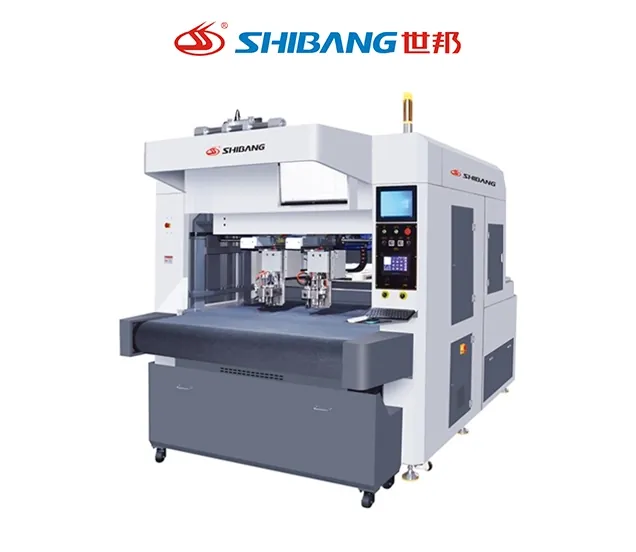
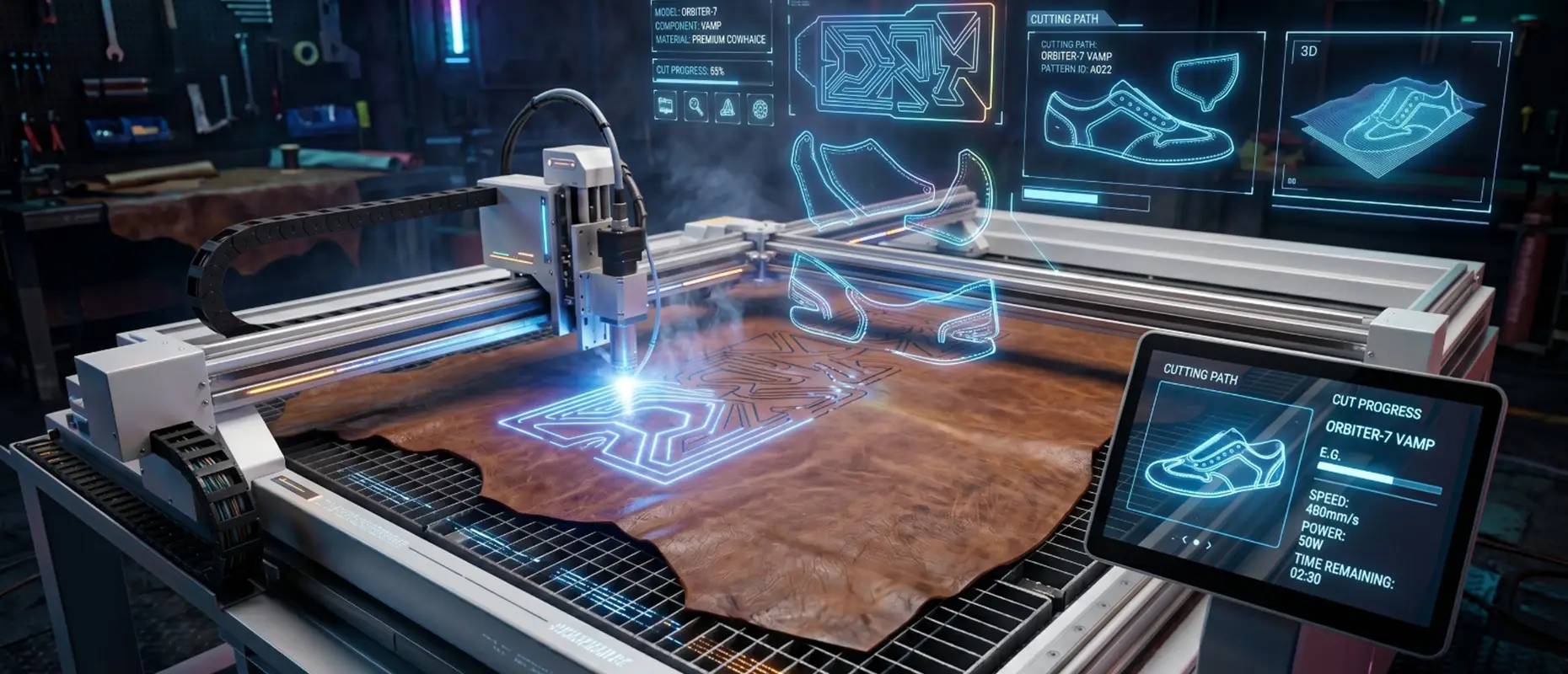
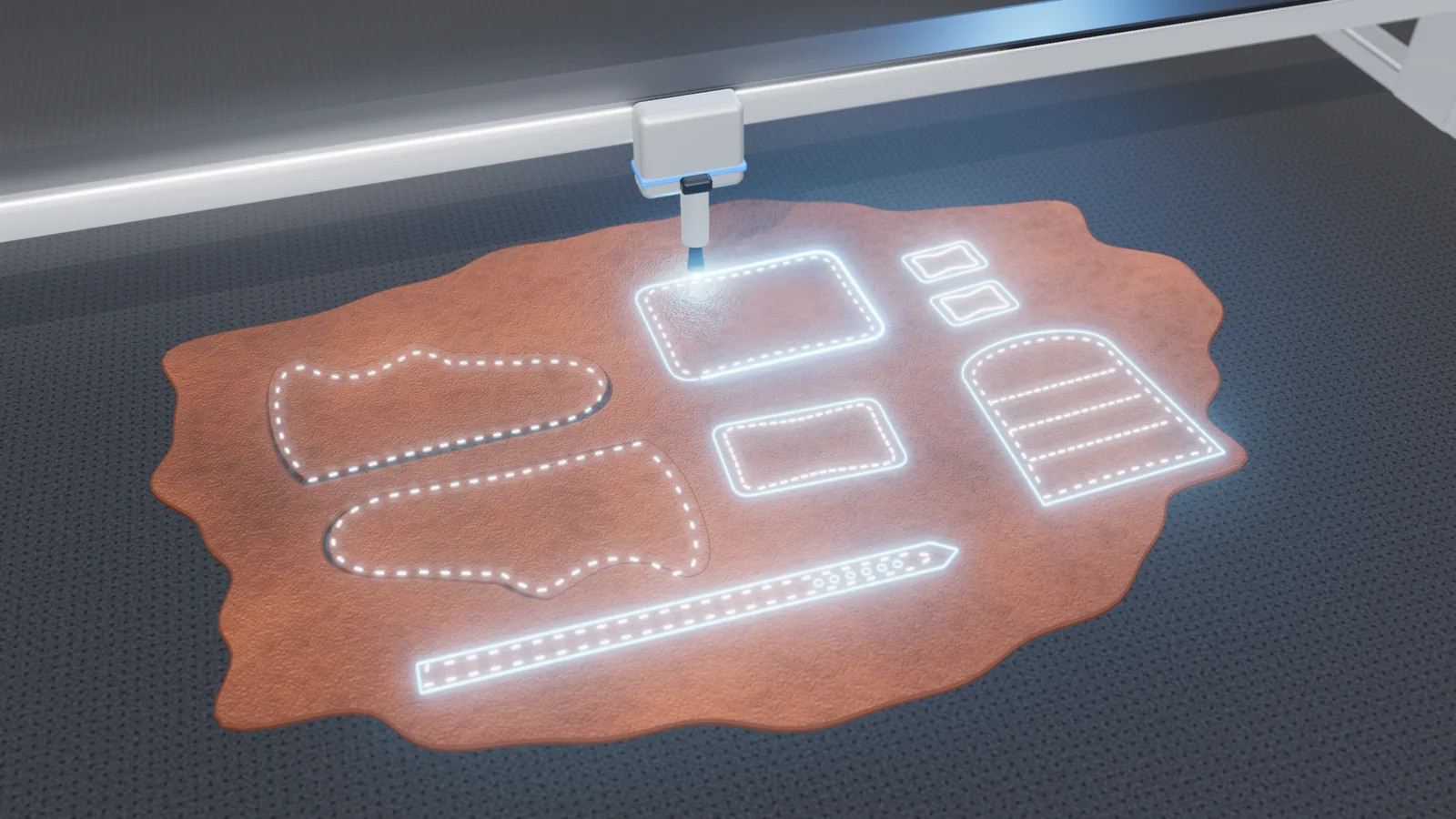
Dieless cutting machines cut different shapes and patterns straight from digital design files, with no physical die in between. The pattern lives as data, so changing a style or adding a size is a matter of loading a different file. Shibang dieless cutting machines are built for leather, synthetic materials, textiles and other industrial fabrics used in footwear and related industries.
| Traditional die cutting | Dieless cutting | |
|---|---|---|
| Tooling | A physical die for each pattern piece and size | No dies; cuts from digital files |
| New style or size | New dies must be made first | Load a new design file |
| Set-up | Depends on dies being ready | Faster production set-up |
| Small batches and custom designs | Hard to justify the tooling cost | Handled efficiently |
| Material use | Limited by fixed die shapes and manual placement | Reduced material waste |
| Storage and upkeep | Dies need space, care and replacement | Patterns stored as data |
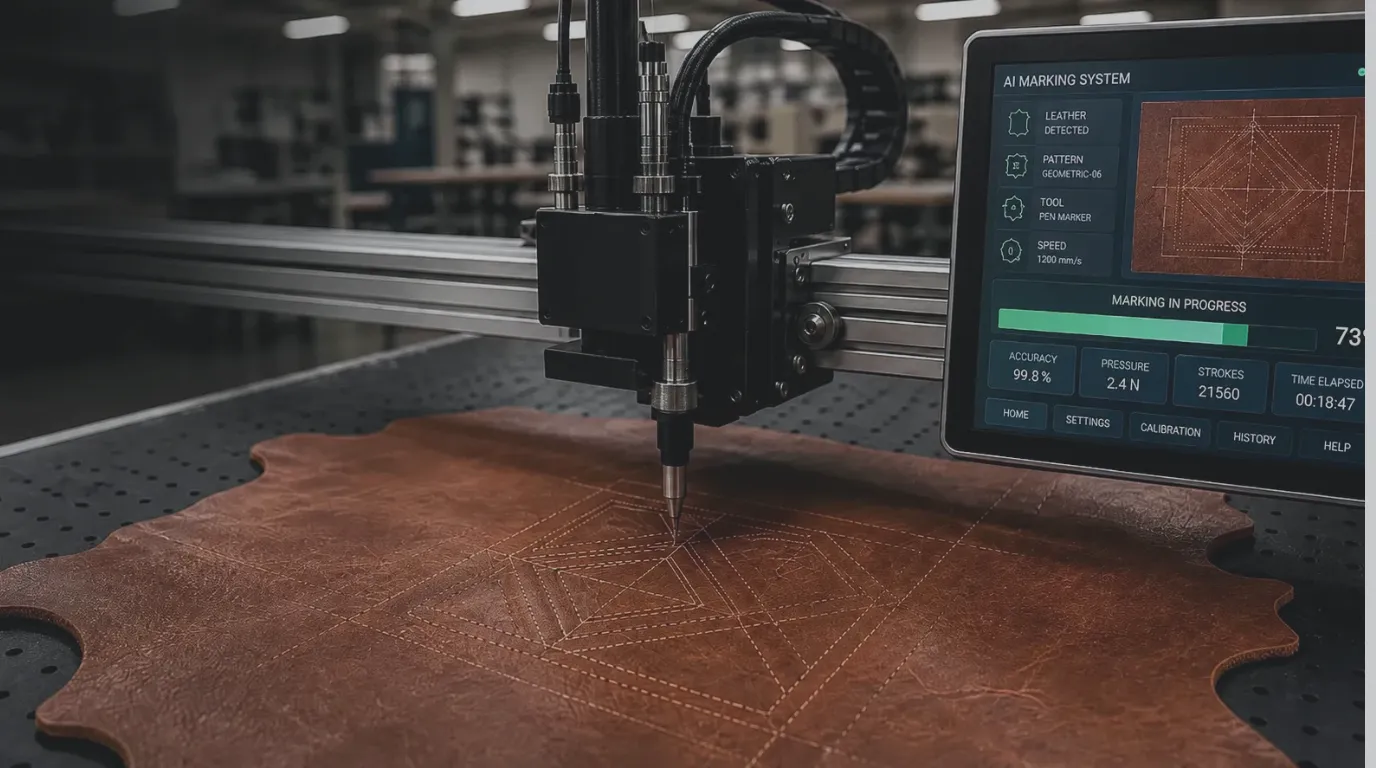
Traditional die cutting can still make sense for very long runs of an unchanging style where the dies already exist. For manufacturers who need flexibility, a wide range of styles or smaller order quantities, dieless cutting removes one of the biggest bottlenecks on the floor.

Dieless cutting is only as good as the patterns it receives. That is why it pairs naturally with pattern engineering software such as MindCAD: MindCAD 2D is used to design, engineer and grade patterns with high precision, and MindCAD Part Scan digitises existing physical patterns into editable data, so even a library of old cardboard patterns can move into a dieless workflow. We covered this end-to-end flow in From Digital Design to Precision Cutting.
Prodex Technica, a unit of Star International Pvt. Ltd. and the authorized channel partner of Shibang in India, can help you answer these for your own production. Request a demo or send us your requirements and our team will suggest the right cutting setup for you.